
What pests do you treat?
Idaho's hot summers, irrigated yards, and mild falls make the Treasure Valley a busy place for household pests. Diamond Lawns' licensed technicians treat all of the region's most common invaders:
| Pest | Where you'll see them | How we treat |
|---|---|---|
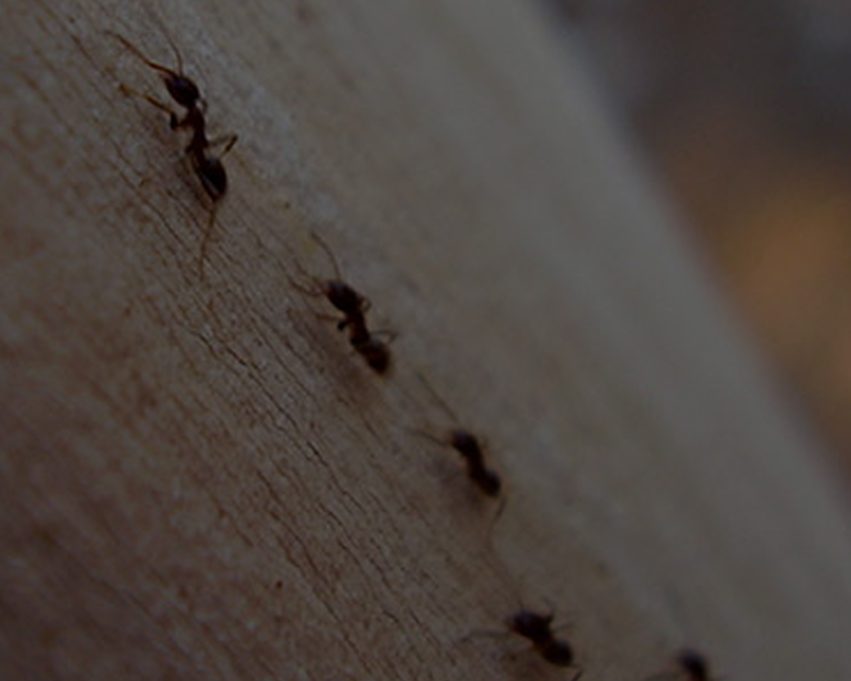
| Ants | Kitchens, foundations, driveways, sidewalk cracks | Perimeter barrier plus targeted colony treatment at trails and mounds. |
| Spiders | Garages, window wells, eaves, basements — including hobo and black widow | Web removal and barrier application around entry points and harborage. |
| Wasps & Hornets | Eaves, play sets, fence lines, patio covers | Nest removal and preventive treatment of nesting sites. |
| Mosquitoes | Shaded foliage, irrigated lawns, near canals and green belts | Recurring barrier treatments on foliage and breeding zones, May–September. |
| Earwigs | Mulch beds, damp foundations, potted plants | Perimeter and bed treatments that break the moisture-harborage cycle. |
| Cockroaches | Kitchens, drains, utility penetrations | Inspection-driven baiting and crack-and-crevice treatment. |
| Bees | Wall voids, trees, meter boxes | Humane assessment first — we relocate honey bees when possible. |
How does our pest protection work?
1. Free Inspection
We identify what's bugging you, find entry points and harborage areas, and check conditions that attract pests — moisture, mulch contact, vegetation touching the house.
2. Initial Knockdown Treatment
The first visit is the heaviest: we treat the foundation perimeter, eaves, window and door frames, weep holes, fence lines, and problem areas in the yard to knock down current activity.
3. Scheduled Barrier Maintenance
Recurring treatments (typically every 60 days in season) maintain a protective barrier around your home so new pests die at the perimeter instead of moving in.
4. Free Re-Service Guarantee
If pests show up between scheduled visits, call us — we'll come back and re-treat at no charge.
Is pest control safe for kids, pets, and pollinators?
We choose products and application methods that are family- and pet-friendly. Treated areas are safe to use once dry — usually under an hour in our climate. We avoid treating blooming plants that pollinators are working, and when honey bees are involved we look at relocation before treatment.
Lawn Pests Too — Not Just House Pests
Because we're also a lawn fertilization company, we catch what pest-only companies miss: billbugs, grubs, and surface insects that kill Idaho turf from below. If your lawn has spreading brown patches that don't respond to water, ask us to check for billbug damage during your free inspection.
Pests we treat
Each of these covers where that pest actually harbors in a Treasure Valley home, how we treat it, and when in the season to deal with it.
Mosquito Control
Barrier treatments on the shaded foliage where mosquitoes rest, May through September.
Mosquito control →Ant Control
Why the trail keeps coming back, and the perimeter-plus-colony treatment that stops it.
Ant control →Spider Control
Hobo and black widow, web and egg-sac removal, and the fall move indoors.
Spider control →Wasp & Bee Control
Nest removal plus preventive treatment so it isn't rebuilt in the same eave.
Wasp & bee control →Frequently Asked Questions
What pests are most common in the Treasure Valley?
Ants, spiders (including hobo and black widow), wasps and hornets, earwigs, boxelder bugs, and mosquitoes near irrigation and green belts. We treat all of these with scheduled perimeter and yard applications.
How often should pest control be applied?
For year-round protection, most homes do best with treatments roughly every 60 days during the active season. We also offer one-time treatments for active problems like wasp nests or ant trails.
Is it safe for pets and children?
Yes. We use family- and pet-friendly products applied by licensed technicians. Kids and pets just need to stay off treated areas until they dry — typically under an hour in Idaho's dry climate.
Do mosquito treatments really work?
Yes — recurring barrier treatments on shrubs, shaded foliage, and breeding zones significantly cut mosquito populations in your yard during the May–September season.